Mom Life is Sweetest Life Embroidery Review
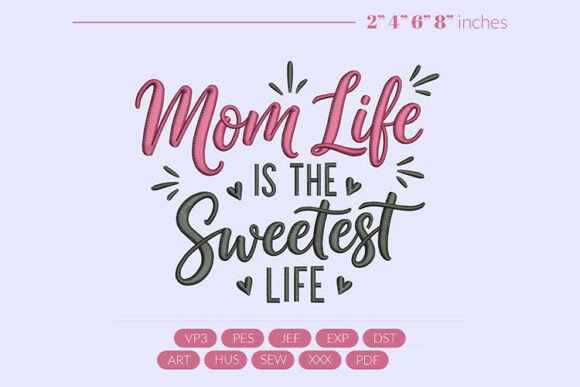
As an embroidery designer who has spent countless weekends behind a craft fair table, I know that the difference between a browser and a buyer often comes down to split-second visual impact. When I first loaded the Mom Life is Sweetest Life Embroidery file into my digitizing software, my immediate reaction was one of relief. In a market saturated with aggressive typography and overly complex graphics, this design offers a breath of fresh air. It feels soft, approachable, and undeniably cute without sacrificing legibility. For those of us running small shop products or Etsy stores, finding a machine embroidery design that balances aesthetic appeal with production efficiency is the holy grail.
First Impressions: Soft Script Meets Market Appeal
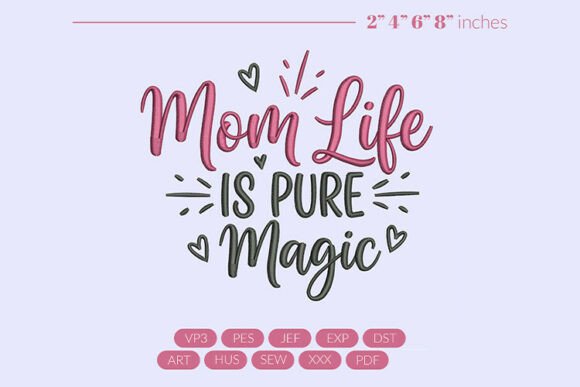
The core strength of this design lies in its typography. The "soft script lettering" described in the product details translates beautifully into stitch work. Unlike rigid, blocky fonts that can feel industrial, this script mimics the flow of hand-lettering, giving the finished product a premium, handmade quality. The addition of "cute heart accents" provides just enough decorative flair to break up the text without overwhelming it. This balance makes the design versatile. It does not scream for attention; rather, it invites the viewer in. For a Mother S Day collection, this subtlety is powerful. It appeals to the modern mom who appreciates sentimentality but prefers a minimalist or farmhouse aesthetic over loud, neon-bright declarations.
When evaluating the visual mood, I would categorize this as elegant yet playful. It fits seamlessly into current trends favoring neutral tones and organic shapes. Whether you are aiming for a rustic boutique vibe or a clean, modern look, the design adapts well. The curvature of the letters suggests movement and warmth, which are essential emotional triggers for gift buyers looking for meaningful keepsakes.
Product Versatility: From Tote Bags to Tea Towels
The true test of any digital embroidery file is its adaptability across different substrates. I mentally placed this design on several standard craft fair products to gauge its potential.
- Tote Bag Design: This is perhaps the strongest application. A natural canvas tote with this design centered creates an instant bestseller. The script flows well across the wider surface area, and the message resonates with the target demographic of busy, stylish mothers.
- Apron Embroidery: Placing the design on the bib of a kitchen apron adds a personal touch that elevates a functional item into a giftable heirloom. The heart accents complement the domestic theme perfectly.
- Tea Towel Embroidery: Here, caution is required. While the design is lovely, you must consider fabric texture. On a waffle-weave or highly textured towel, the fine details of the script might get lost. I recommend using a smooth linen or cotton blend for the best clarity.
- Embroidered Patch: If you offer patches, this design works well as a focal point. However, ensure your satin stitches are dense enough to cover the backing material cleanly.
- Caps and Pouches: For curved surfaces like caps, the 4-inch size included in the package is likely the sweet spot. It is large enough to read but small enough to conform to the curve without distortion.
For booth samples, I would prioritize the tote bags and pillow covers. These items allow the design to be seen from a distance, drawing customers to your table. Once they are closer, the quality of the stitch work on smaller items like pouches can close the sale.
Production Practicality and Batch Selling
From a business owner’s perspective, time is money. The Mom Life is Sweetest Life Embroidery appears to be optimized for speed. The description notes sizes included are 2, 4, and 6 inches. This range is ideal for scaling production. The 2-inch version is perfect for small accents on pocket areas or baby onesies, while the 6-inch version serves as a bold statement piece on larger home decor items.
One critical factor for craft fair sellers is repeatability. Can you stitch this out ten times in a row with consistent results? Based on the "soft script" nature, the stitch density should be moderate. However, you must check the underlay. If the underlay is too light, the design may pucker on thinner fabrics. If it is too heavy, it may create a stiff hand feel on soft apparel. I advise running a test batch on your primary fabric choice before committing to a full inventory run.
Photography is another key selling point. This design photographs exceptionally well because the contrast between the thread and typical neutral fabrics (cream, white, light gray) is high. For your Etsy listings or printable mockup assets, use natural lighting to highlight the sheen of the thread. The hearts provide a nice geometric counterpoint to the organic script, making the composition balanced and eye-catching in thumbnail images.
Technical Considerations and Careful Use
While the design is user-friendly, there are technical nuances to address. Always check the stitch density, particularly in the connecting lines of the script. If the digits are too sparse, the fabric may show through, especially on dark fabric. Conversely, if the density is too high on a lightweight cotton, you risk perforation or puckering.
Stabilizer selection is non-negotiable. For knit fabrics like t-shirts, use a cut-away stabilizer to prevent distortion. For woven fabrics like tote bags or tea towels, a tear-away stabilizer is usually sufficient, but consider a top-stitching water-soluble film if you are working with textured materials to keep the stitches lying flat.
Thread colors also play a pivotal role. While black or navy thread on white fabric is classic, consider muted pastels or earth tones to enhance the "sweet" and "soft" vibe of the design. Avoid high-contrast neon threads unless you are targeting a very specific, quirky niche, as they may clash with the elegant script style.
Pre-Production Checklist for Sellers
- Test on Scrap Fabric: Never skip this step. Stitch the design on the exact fabric weight and type you intend to sell.
- Check Thread Contrast: Ensure the thread color stands out against the fabric without being jarring.
- Review Spacing: Confirm that the hearts do not overlap with the lettering in a way that causes thread breaks or messy jumps.
- Confirm Hoop Size: Verify that the 2, 4, and 6-inch sizes fit your machine’s hoop capabilities. The 6-inch size may require a 5x7 or larger hoop depending on the aspect ratio.
- Inspect Stitch Density: Look for areas where stitches may pile up, particularly at the start and end points of the script.
- Create a Real Mockup: Before listing online, stitch one sample and photograph it. Digital mockups are helpful, but real photos build trust.
- Verify Licensing: Ensure your purchase of the digital embroidery file includes commercial licensing rights if you plan to sell the finished product.
In conclusion, the Mom Life is Sweetest Life Embroidery is a strong contender for any spring or Mother S Day collection. It combines emotional resonance with practical design elements. For the embroidery business owner, it offers the flexibility to create a wide range of products, from high-volume tote bags to premium giftable aprons. By paying attention to fabric choice, stabilizer support, and thread selection, you can transform this digital asset into a high-performing craft fair product that resonates with customers seeking both style and sentiment.