Reviewing the Homemade Gingerbread Chef Design
As an embroidery designer who has spent years digitizing and testing patterns for personalized gift shops, I know that the difference between a good sale and a loyal customer often comes down to the charm of the design. Recently, I had the opportunity to test the Homemade Gingerbread Chef for a client’s upcoming holiday collection. This machine embroidery design is categorized under Kitchen Cooking, but its appeal stretches far beyond the culinary world. It is a delightful addition to any crafter’s library, offering a blend of whimsy and warmth that resonates with buyers looking for heartfelt, handmade items.
First Impressions: Charm and Emotional Appeal
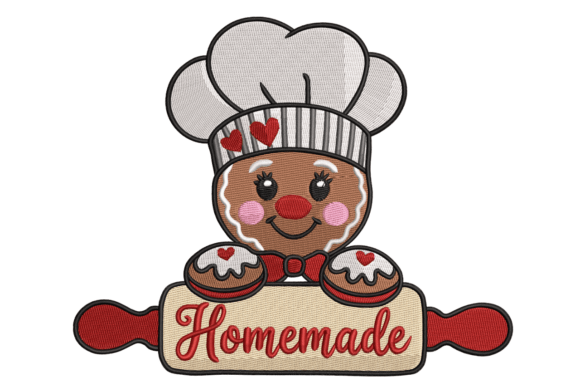
When I first loaded the Homemade Gingerbread Chef into my editing software, the immediate impression was one of pure joy. The graphic features a cheerful Gingerbread Man dressed as a chef, complete with a homemade rolling pin. This is not just a generic cookie; it is a character with personality. The mood is undeniably sweet and playful, yet it retains a classic, homemade feel that avoids looking too cartoonish or cheap. For embroidery makers, this balance is crucial. We need designs that look professional when stitched out but still retain that soft, handmade touch that machine-only products often lack.
The emotional appeal here is strong. It evokes memories of family baking sessions, holiday traditions, and the comfort of a warm kitchen. For a personalized gift, this emotional connection is half the battle won. Customers are not just buying an embroidered item; they are buying a feeling of nostalgia and care. Whether you are an Etsy seller looking to boost your holiday listings or a small shop owner creating custom orders, this design offers a narrative that sells itself.
Versatility in Product Application
One of the strongest aspects of the Homemade Gingerbread Chef is its versatility. While it naturally fits into the Kitchen Cooking category, its application is broad. I tested this design on several different substrates to see how it would perform as a finished product. Here is how it shines across various categories:
- Kitchen Linens: This is the most obvious choice. An embroidered towel or apron featuring this chef makes for a fantastic housewarming present. The design stands out well against solid-colored fabrics, adding a pop of personality to functional items.
- Baby Embroidery: Surprisingly, this design works beautifully for nursery items. A baby blanket or bib with the Gingerbread Chef can serve as a cute, gender-neutral decoration for a winter-born child. It adds a playful element to baby embroidery collections without being overly frilly.
- Wedding and Family Keepsakes: For couples who love to bake together, this can be incorporated into a wedding gift set. Imagine it stitched onto a pillow cover or a tote bag filled with baking ingredients. It serves as a meaningful symbol of their shared domestic joy.
- Craft Fair Products: If you are a small shop product creator, this design is a crowd-pleaser. It appeals to a wide demographic, from grandparents looking for gifts for grandchildren to young adults decorating their first apartments.
Technical Considerations for Embroidery Makers
While the aesthetic is charming, the technical execution requires attention to detail. As with any digital embroidery file, success depends on proper preparation. Before running this on a customer’s expensive linen, always test on scrap fabric. This allows you to check the stitch density and ensure that the fabric does not pucker. The Gingerbread Man has distinct features, such as his chef’s hat and the rolling pin, which require precise stitching to remain clear.
Fabric Texture and Stabilizer Choice
The performance of the Homemade Gingerbread Chef will vary depending on the fabric texture. On smooth cotton or polyester blends, the details will crisp up nicely. However, on textured towels or thick terry cloth, some of the finer lines might get lost. In these cases, using a cut-away stabilizer is essential to support the stitches and prevent distortion. For stretchy fabrics, such as baby clothes, a stabilizer that provides ample support without adding bulk is key to maintaining the integrity of the design.
Thread Colors and Contrast
Color selection plays a pivotal role in the final look. The traditional gingerbread brown needs to contrast sufficiently with the background fabric. If you are stitching on dark fabric, consider using lighter thread colors for the outline or adjusting the design settings to ensure visibility. Always compare light and dark fabric mockups before finalizing your product line. This step helps you anticipate how the thread colors will interact with different materials, ensuring your custom embroidery looks vibrant and professional.
Navigating Potential Challenges
Every design has its limitations, and being aware of them helps manage customer expectations. The Homemade Gingerbread Chef should be used carefully on certain surfaces. For instance, if the design includes any small lettering or intricate details, these may not stitch out clearly on highly textured materials like waffle-weave towels. Additionally, curved surfaces, such as the toe of a sock or the corner of a fitted sheet, can distort the image if not hooped correctly.
It is also important to consider the end-use of the product. Items that require frequent washing, such as kitchen towels or baby bibs, need robust stitching. Ensure that your hoop size is appropriate for the design dimensions to avoid unnecessary jumps or trims that could weaken the structure. If details are missing from the product description, such as exact stitch count or specific file formats, advise readers to check them before use. Knowing whether you have access to the right embroidery file formats for your machine is critical for a smooth production process.
Enhancing Giftability and Perceived Value
From a business perspective, the Homemade Gingerbread Chef significantly enhances the giftability of your products. A simple tote bag becomes a cherished keepsake when adorned with this cheerful character. This increase in perceived value can justify a higher price point for your handmade product. Customers are willing to pay more for items that feel unique and emotionally resonant.
Furthermore, this design aids in product photography and buyer engagement. The visual appeal of the Gingerbread Chef makes for eye-catching images on social media and online marketplaces. A well-stitched sample can serve as a powerful printable mockup or digital preview for your Etsy seller profile, attracting clicks and conversions. When customers see the high quality of the finished product, their trust in your brand grows, leading to repeat business and positive reviews.
Final Thoughts for Commercial Use
In conclusion, the Homemade Gingerbread Chef is a versatile and charming addition to any embroidery designer’s portfolio. It bridges the gap between seasonal novelty and timeless home decor. For those engaged in commercial embroidery, this design offers a reliable option for creating personalized gifts that resonate with a broad audience. Remember to verify commercial licensing terms before selling finished products, as this ensures you are operating within legal boundaries.
By paying attention to technical details like stabilizer choice, thread contrast, and fabric suitability, you can maximize the potential of this design. Whether you are creating a cozy blanket embroidery for a newborn or a fun apron for a baking enthusiast, the Homemade Gingerbread Chef delivers both style and substance. Embrace the joy of baking and the art of embroidery by bringing this delightful character to life in your next project.