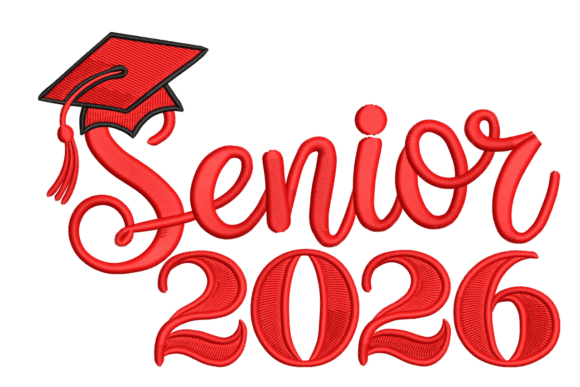
Senior 2026 with Grad Cap: A Designer’s Review
As an embroidery designer who has spent years digitizing and testing files for real-world application, I approach every new machine embroidery design with a critical eye. It is not enough for a design to look good on a screen; it must hold up under the needle, survive the wash cycle, and appeal to the end customer. Recently, I evaluated the Senior 2026 with Grad Cap design, a piece intended for the upcoming graduation season. My goal was to determine if this file offers the versatility and quality required for professional commercial embroidery projects or if it is better suited for casual hobbyist use.
First Impressions and Visual Personality
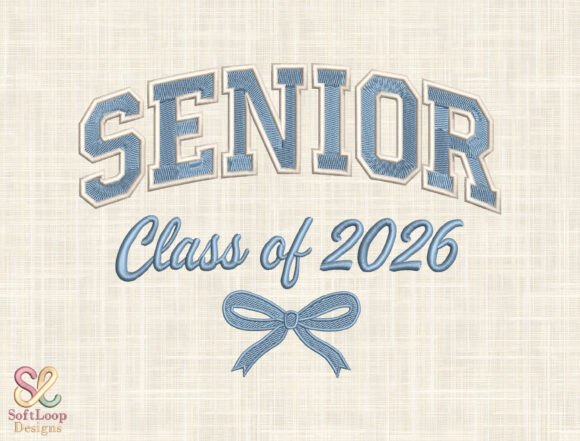
The first thing that strikes you about the Senior 2026 with Grad Cap is its balance between tradition and modern flair. The design features the word "Senior" stitched in a fluid red script, which immediately draws the eye. This choice of typography suggests energy and celebration, fitting perfectly for a milestone event. The addition of the graduation cap adds a clear thematic anchor, ensuring that even from a distance, the purpose of the embroidery project is unmistakable.
From a layout perspective, the composition is compact yet impactful. The interplay between the cursive lettering and the structured icon of the cap creates a pleasing contrast. For a designer, this means the file has inherent visual interest without requiring excessive embellishment. It feels ready to wear, literally. The mood is celebratory but polished, avoiding the cluttered look that plagues many lower-quality digital embroidery file options found in saturated marketplaces.
Real-World Application: The Tote Bag Test
To truly understand the value of this design, I simulated a common client request: a custom tote bag design for a high school senior photoshoot prop. I selected a heavy-weight canvas tote, a popular item for Etsy sellers and small shop product lines. The Senior 2026 with Grad Cap was positioned centrally on the front panel.
The result was impressive. The red script popped against the natural beige canvas, demonstrating excellent thread colors contrast potential. Because the design is not overly dense, it did not cause the fabric to pucker, a common issue when stitching on unstructured bags. This makes it an ideal candidate for handmade product lines where presentation is key. Customers looking for a personalized gift want something that looks professional, not like a home experiment gone wrong. This design delivers that clean, boutique aesthetic.
Versatility Across Product Lines
Beyond tote bags, this embroidery file shows promise in several other categories. For sweatshirt embroidery, the design scales well. When resized for the left chest area of a hoodie, the details remain legible. This is crucial for custom apparel businesses that rely on bulk orders for school spirit wear. The fluid script translates nicely to fabric, maintaining its elegance without losing definition.
I also considered its use on baby embroidery items, such as a onesie for a younger sibling celebrating their older brother or sister. While the "Senior 2026" text is specific, the cap motif is universal. However, for smaller items, one must be cautious. The intricate parts of the script may require a finer needle and higher quality thread to prevent breakage or bunching. It is less suitable for tiny embroidered patch applications unless the hoop size is large enough to accommodate the minimum stitch length requirements of the digitizer.
Technical Considerations and Stitching Performance
No design is perfect for every scenario, and honest evaluation requires identifying limitations. When working with the Senior 2026 with Grad Cap, attention to stitch density is paramount. The script portion likely utilizes a combination of satin stitch for the thicker parts of the letters and potentially running stitch for finer connections. If your machine tends to pull lightweight fabrics, this design will require a robust stabilizer strategy.
I recommend using a cut-away stabilizer for stretchy fabrics like t-shirts and sweatshirts to ensure the design remains stable over time. For woven fabrics like aprons or kitchen towel projects, a tear-away stabilizer may suffice, provided the fabric texture is tight enough to support the stitches. Always test the design on scrap fabric first. This simple step saves hours of frustration and prevents wasted materials, especially when producing items for sale.
Another technical note concerns the cap element. Depending on the specific digitizing, the tassel and mortarboard edges may use fill stitch or satin columns. Check the stitch direction in your software before loading the file. Adjusting the angle can sometimes reduce thread breaks and improve the sheen of the final finished product.
Commercial Viability for Craft Businesses
For craft business owners and creative entrepreneurs, the commercial viability of a design hinges on its ability to attract buyers. Graduation season is a peak sales period. A design like Senior 2026 with Grad Cap fits seamlessly into holiday embroidery calendars, specifically spring and early summer. It appeals to parents, grandparents, and the graduates themselves.
When creating printable mockup images for online listings, this design photographs well. The bold red color stands out in digital thumbnails, which is essential for click-through rates on platforms like Etsy. However, ensure you have the correct licensing. Most designers offer different licenses for personal use versus commercial use. Confirm that your purchase allows you to sell physical items featuring this design. Never assume; always read the terms associated with your design assets.
Avoiding Common Pitfalls
While versatile, there are scenarios where this design should be used carefully. Avoid placing it on highly textured fabrics like thick fleece or terry cloth without proper topping. The fine lines of the script can get lost in the pile. Similarly, be mindful of hoop size constraints. If you are working with a small 4x4 hoop, ensure the design fits comfortably without hitting the edges, which can cause needle strikes and machine errors.
Dark fabrics present another challenge. The red script may not have enough contrast on black or navy blue garments. In such cases, consider adding a white underlay or choosing a brighter thread color to maintain visibility. Testing on both light and dark backgrounds is a best practice for any professional embroidery project.
Final Verdict
The Senior 2026 with Grad Cap is a strong contender for your spring inventory. It balances aesthetic appeal with practical stitchability. For apparel decorators and handmade shop owners, it offers a reliable way to tap into the graduation market. By paying attention to stabilizer choices, fabric types, and thread contrast, you can produce high-quality items that build customer trust and enhance your brand reputation.
Remember, the success of any machine embroidery design lies in the execution. Take the time to test, adjust, and refine your process. When done correctly, this design can become a staple in your portfolio, driving sales and delighting customers looking for meaningful, personalized keepsakes. Whether you are creating a single personalized gift or a run of boutique merchandise, this file provides the foundational quality needed for professional results.