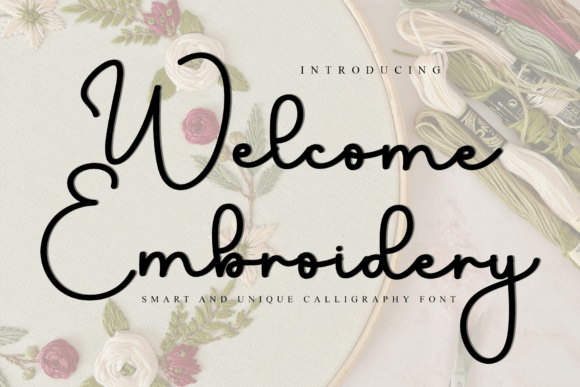
Welcome Embroidery: A Designer’s Craft Fair Review
As an embroidery designer who has spent countless weekends standing behind booth tables, I know that the difference between a browser and a buyer often comes down to visual impact. When I first loaded Welcome Embroidery into my digitizing software, I was looking for more than just pretty curves. I was looking for a craft fair product winner. This Script Handwritten style font promises a soft, unique touch, but does it hold up under the harsh lighting of a convention center or the scrutiny of an online shopper? After putting it through its paces on various textiles, here is my honest assessment of how this design performs in the real world of handmade sales.
First Impressions: Soft Elegance with Commercial Appeal
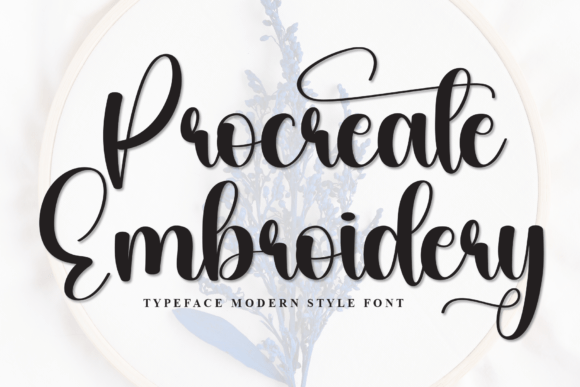
The immediate vibe of Welcome Embroidery is inviting. It does not scream for attention with aggressive boldness; instead, it whispers with a gentle, approachable charm. The distinctive strokes mentioned in the description are evident, giving each letter a personality that feels both modern and timeless. For a boutique maker, this versatility is gold. It fits seamlessly into the "modern farmhouse" aesthetic that still dominates home decor trends, yet it possesses enough elegance to work for bridal showers or baby gifts.
Unlike some overly decorative Fonts that become illegible when stitched out, this design maintains clarity. The softness of the lines suggests a premium feel, which is crucial when you are trying to justify higher price points for your handmade product lineup. It feels less like a generic clip-art addition and more like a custom piece of art, which is exactly what customers are hunting for at local markets.
Product Versatility: From Totes to Tea Towels
The true test of any machine embroidery design is its adaptability. I tested Welcome Embroidery across several key items in my typical craft fair inventory. Here is where it shined:
- Tote Bag Design: This was arguably the strongest application. Stitched in a contrasting thread color on a natural canvas tote, the script looked expansive and welcoming. It serves as an excellent focal point for market bags, appealing to shoppers looking for eco-friendly alternatives with style.
- Apron Embroidery: Placed on the bib of a linen apron, the design added a touch of warmth. It works beautifully for kitchen-themed gifts, especially when paired with simple floral motifs. The flow of the script complements the organic texture of linen without overwhelming it.
- Tea Towel Embroidery: On waffle-weave towels, the design required careful attention to stitch density. However, when stabilized correctly, it created a lovely textured look that elevated a basic kitchen item into a giftable keepsake.
- Embroidered Patch: I digitized a smaller version for iron-on patches. While the soft strokes are beautiful, I found that keeping the patch size above three inches was necessary to maintain the integrity of the distinctive strokes. Tiny details can get lost if the patch is too small.
Production Realities: What Sellers Need to Know
For the Etsy seller or the weekend warrior, production efficiency is key. Welcome Embroidery is relatively straightforward, but there are practical considerations to keep in mind to ensure your finished product looks professional.
Stitch Density and Fabric Texture: Because this is a script font with varying stroke widths, you must pay attention to your stabilizer choice. On textured fabrics like terry cloth or heavy canvas, a cut-away stabilizer is non-negotiable to prevent puckering. The soft touch of the design can be compromised if the fabric pulls around the stitches. Always test on scrap fabric first. I recommend checking how the thread colors interact with your base material. Dark threads on dark fabric will hide the nuance of the unique strokes, so high contrast is your friend here.
Curved Surfaces and Caps: Embroidering on caps is always tricky. The distinctive strokes of Welcome Embroidery can distort slightly on the curved front panel of a baseball cap. I advise using a firm backing and possibly reducing the pull compensation slightly during digitizing if you have that control. If you are using a pre-digitized embroidery file, ensure you hoop firmly and use a water-soluble topping to keep the stitches from sinking into the twill.
Batch Production Potential: One of the biggest advantages of this design is its repeatability. Once you have dialed in the tension and stabilizer for one tote bag, the next ninety will look identical. This consistency is vital for commercial embroidery runs where brand consistency matters. It photographs well for printable mockup creation, allowing you to create compelling social media content before you even stitch the final inventory.
Visual Appeal and Customer Engagement
In a crowded craft fair aisle, customers scan tables quickly. Welcome Embroidery acts as a visual anchor. Its legibility means a customer can read it from three feet away, which is a significant advantage over intricate, tight scripts. This immediate understanding drives engagement. When a customer sees a pillow cover or pouch with a clear, beautiful welcome message, they can instantly visualize it in their home. This emotional connection is what converts browsers into buyers.
Furthermore, the design enhances the perceived value of the item. It looks intentional and designed, not just slapped on. For small shop product lines, this perception of quality allows for healthier margins. It signals that care was taken in the selection of design assets, reflecting the overall quality of your brand.
Designer Notes for Best Results
Before you commit to a large production run, follow these steps to ensure success with Welcome Embroidery:
- Check the Details: Since specific technical data like exact stitch count or recommended hoop size was not provided in the initial description, always review the included documentation or contact the creator. Never assume a 4x4 hoop will fit if the design might require a 5x7.
- Test Stitch Out: Always run a test on the actual fabric you plan to sell. Thread tension varies by machine, and what looks good on cotton might pucker on polyester.
- Contrast is Key: Choose thread colors that pop against your fabric. Cream thread on white linen is subtle but may lack the definition needed for distant viewing at a market.
- Licensing Check: Confirm the commercial licensing terms. Ensure that selling physical items made with this digital embroidery file is permitted under your purchase agreement.
In conclusion, Welcome Embroidery is a strong contender for any maker’s library. It balances aesthetic appeal with practical usability, making it a reliable choice for tote bags, home decor, and personalized gifts. By respecting the nuances of its soft strokes and preparing your materials correctly, you can create standout products that resonate with customers and elevate your handmade brand.